team-302.github.io
Component selection
EGR 314
Team 302
Tyler Winder, Sam Kohler, Jose Nava-Mesina,Tilak Raj Thanga Raj
Wind sensor
External ADC
| Solution | Pros | Cons |
|---|---|---|
 |
|
|
| Option 1 |
|
|
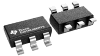
| ADC081C027 8-Bit, 189kSPS, 1-Ch SAR ADC with I2C |
|
|
| $1.141/each | ||
| link | ||
| Solution | Pros | Cons |
|---|---|---|
 |
|
|
| Option 2 |
|
|
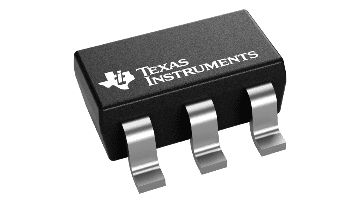
ADS7827 5.25V-2.7V, 8 bit, 250 KSPS, Synchronous Serial ADC |
|
|
| $1.879/each | ||
| link | ||
| Solution | Pros | Cons |
|---|---|---|
 |
|
|
| Option 3 |
|
|
ADS7830 8-Bit, 8-Channel Sampling A/D Converter with I2C Interface |
|
|
| $2.333/each | ||
| link | ||
Choice: option 1: ADC081C027 8-Bit, 189kSPS, 1-Ch SAR ADC with I2C
Rationale: This ADC has the best input voltage range, temperature range, and is the cheapest of the three.
Op amp
| Solution | Pros | Cons |
|---|---|---|
 |
|
|
| Option 1 |
|
|
| OPA4991MDYYREP |
|
|
| $10.10/each | ||
| link | ||
| Solution | Pros | Cons |
|---|---|---|
|
|
|
| Option 2 |
|
|
| OPA2310IDR |
|
|
| $1.22/each | ||
| link | ||
| Solution | Pros | Cons |
|---|---|---|
 |
|
|
| Option 3 |
|
|
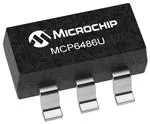
| MCP6486UT-E/OT |
|
|
| $0.31/each | ||
| link | ||
Choice: option 2: OPA2310IDR
Rationale: The reason we are choosing this one is it does have two channels which we can use both sensors through it, and all of its cons are still within the range of our product.
DC Generator
| Solution | Pros | Cons |
|---|---|---|
 |
|
|
| Option 1 |
|
|
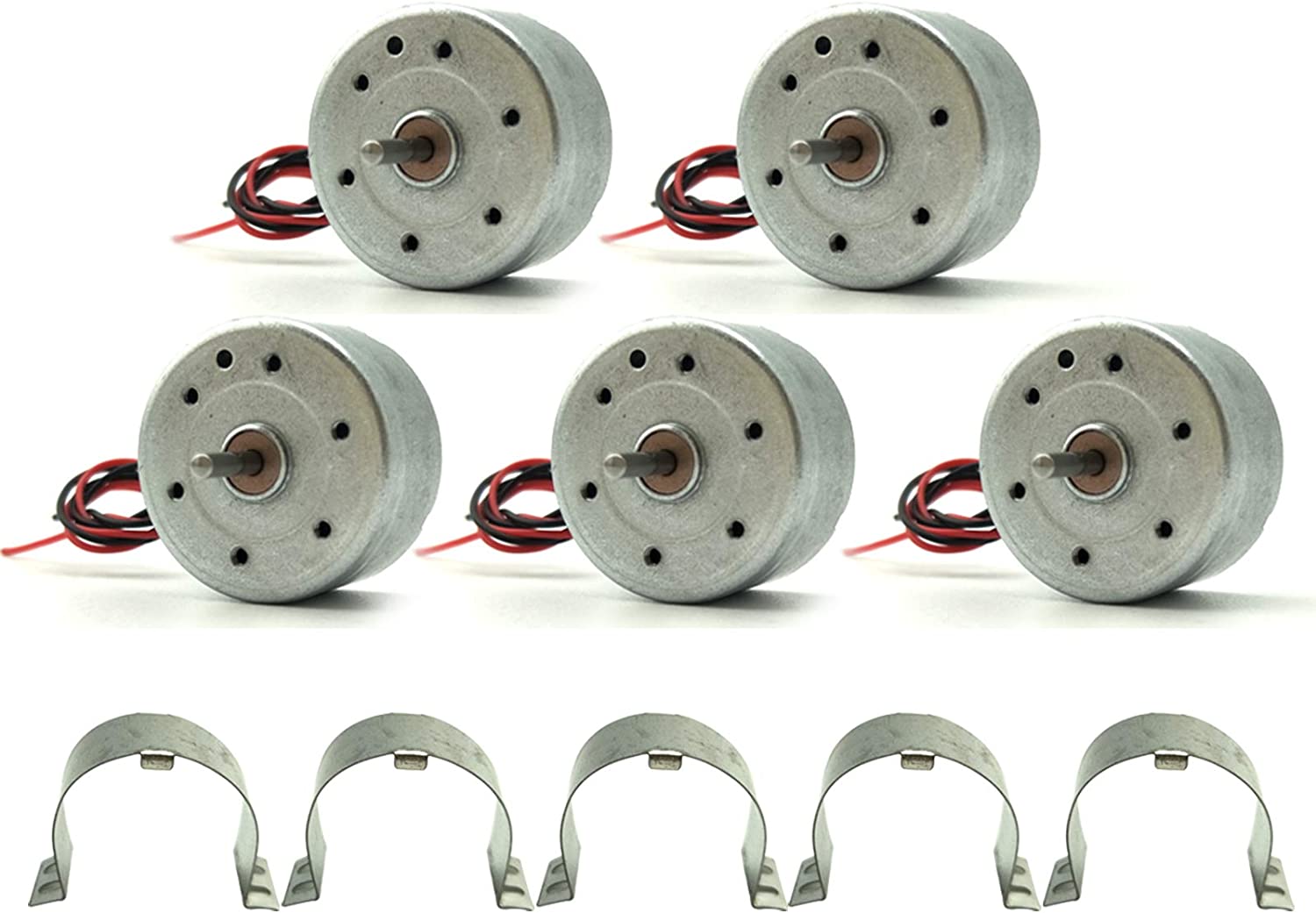
| EUDAX Mini Generator Motors 3V-12V DC Motor |
|
|
| $2.00/each | ||
| link | ||
| Solution | Pros | Cons |
|---|---|---|
 |
|
|
| Option 2 |
|
|
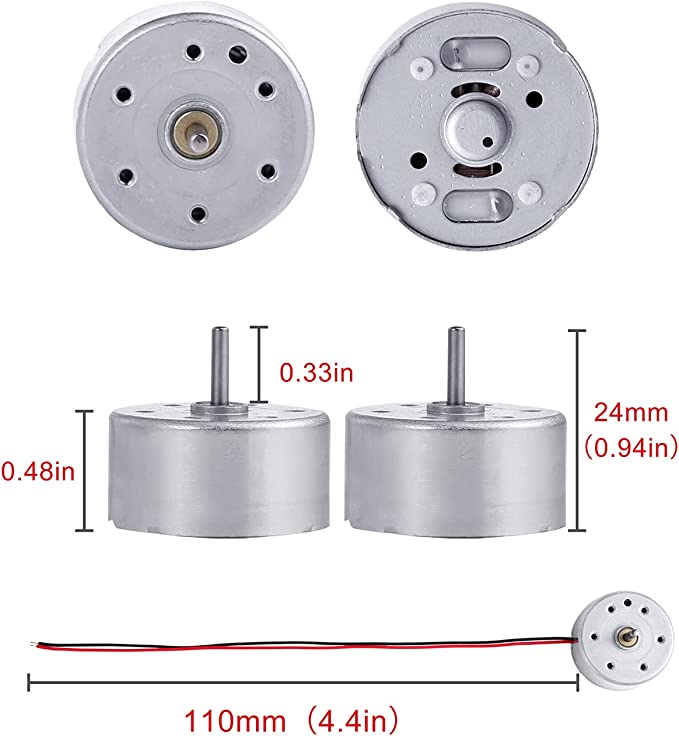
| Sntieecr 6 Set Mini Generator Motors 3V-12V DC Motor |
|
|
| $1.67/each | ||
| link | ||
| Solution | Pros | Cons |
|---|---|---|
 |
|
|
| Option 3 |
|
|
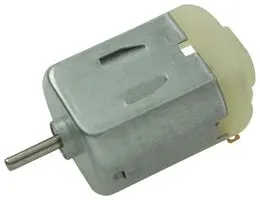
MM10 DC Motor |
|
|
| Free from work | ||
| link | ||
Choice: Option 3: MM10 DC Motor
Rationale: This product is currently available to us for free and it does work with previous testing. Option 2 would be a good second option that would need to be tested.
Barometric Pressure Sensor
| Solution | Pros | Cons |
|---|---|---|
 |
|
|
| Option 1 |
|
|
| ICP-10125 Pressure Sensor |
|
|
| $7.35 each | ||
| link | ||
| Solution | Pros | Cons |
|---|---|---|
 |
|
|
| Option 2 |
|
|
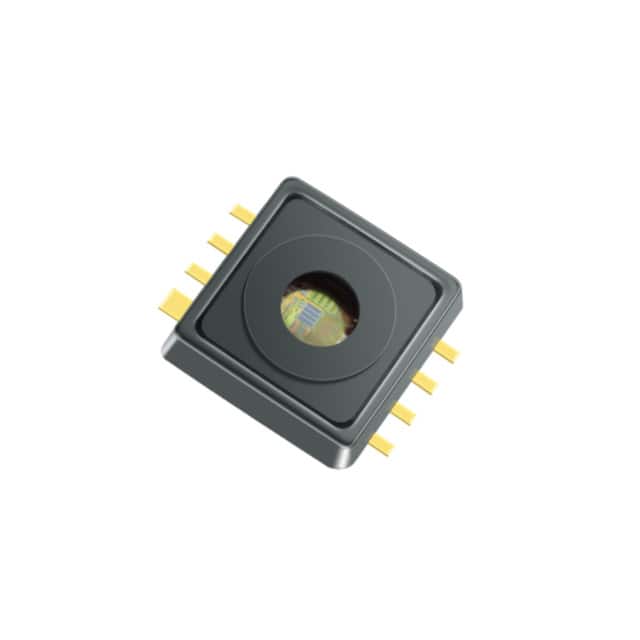
| LPS22HHTR |
|
|
| $9.16 each | ||
| link | ||
| Solution | Pros | Cons |
|---|---|---|
 |
|
|
| Option 3 |
|
|
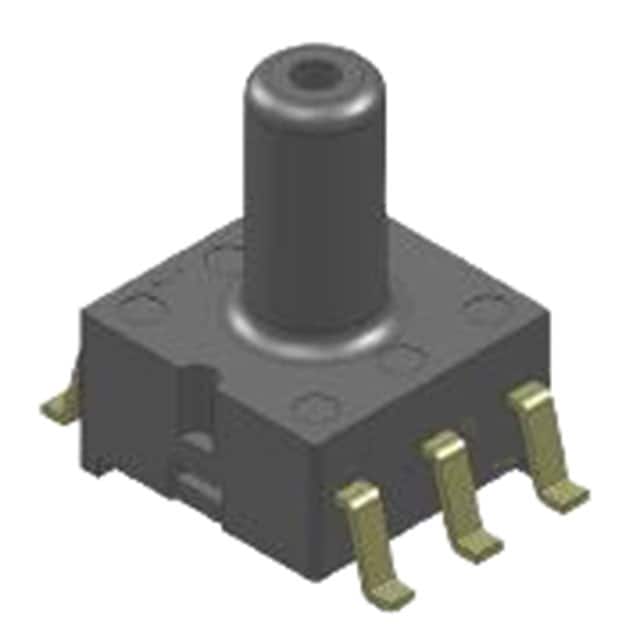
| DLC-L20G-U2 |
|
|
| $48.51 per unit | ||
| link | ||
Choice: Option 2: KP235XTMA2
Rationale: The KP235XTMA2 is the most reliable and inexpensive of the few options available for these types of sensors, and requires the least amount of calculations to be done in post compared to the other two. Option 1 would be a good fallback if needed.
Voltage Regulator
| Solution | Pros | Cons |
|---|---|---|
 |
|
|
| Option 1 |
|
|
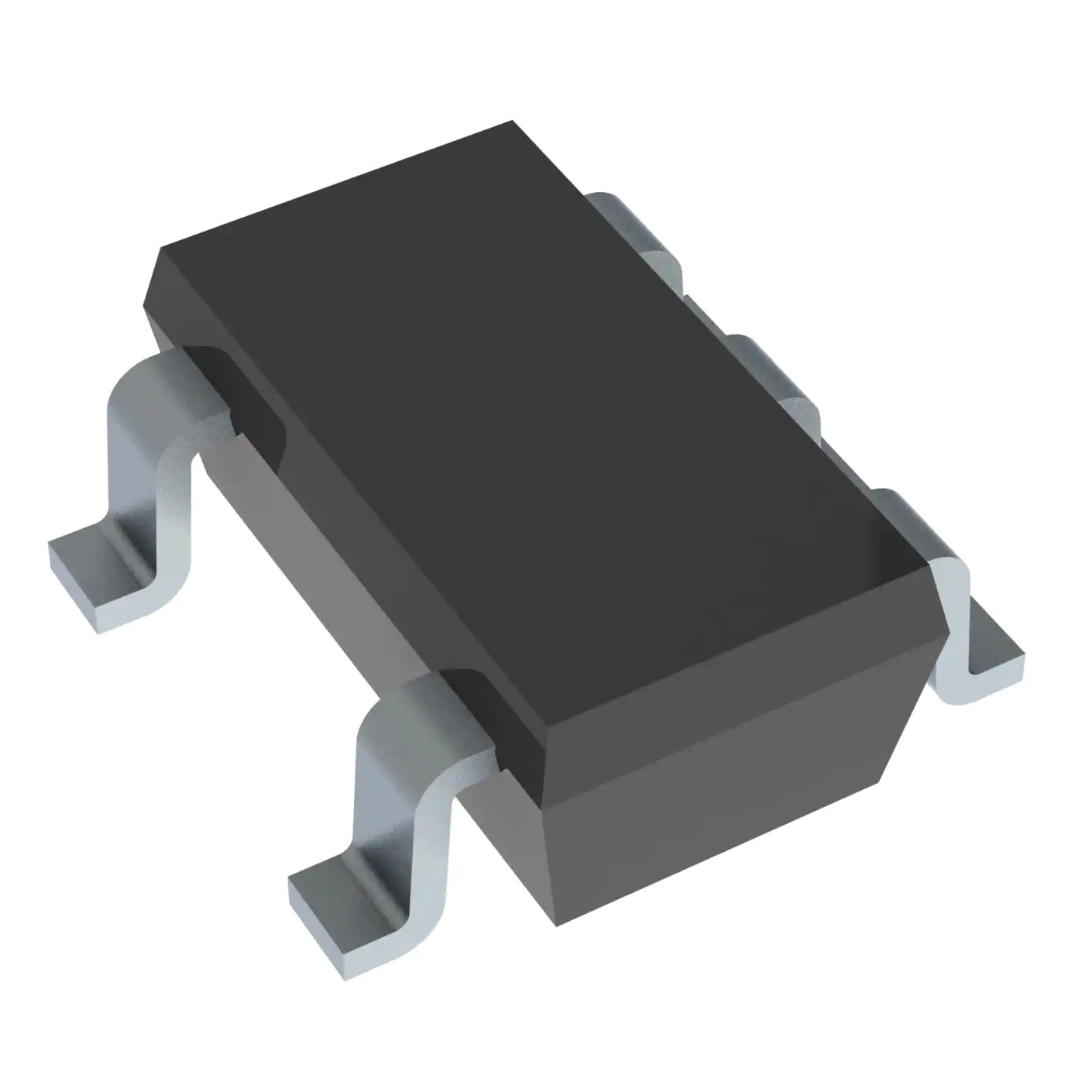
| LM3671MF-3.3/NOPB |
|
|
| $1.74/each | ||
| Link | ||
| Solution | Pros | Cons |
|---|---|---|
 |
|
|
| Option 1 |
|
|
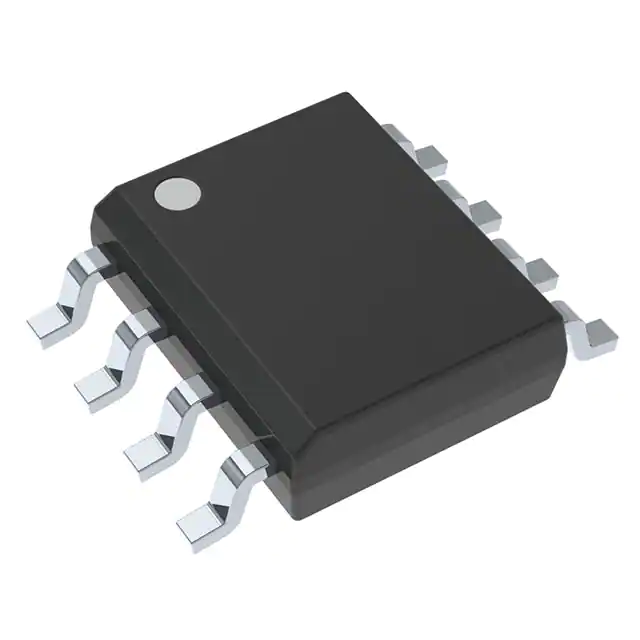
| LM2594HVM-5.0/NOPB |
|
|
| $6.65/each | ||
| Link | ||
| Solution | Pros | Cons |
|---|---|---|
 |
|
|
| Option 1 |
|
|
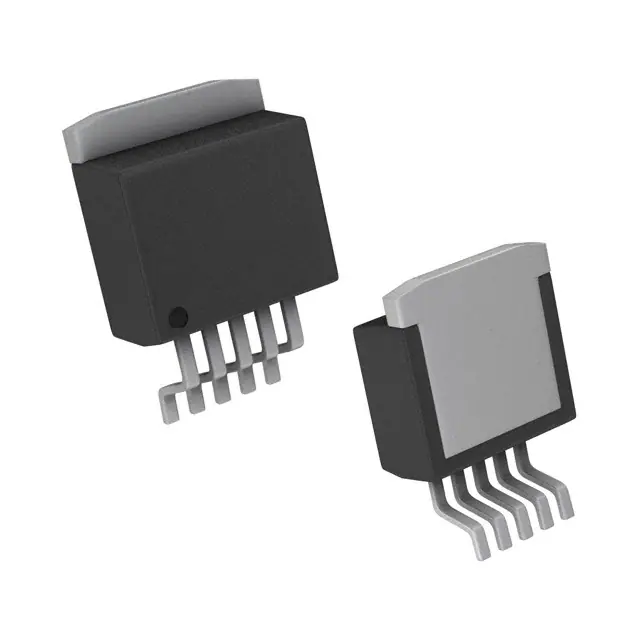
| LM2596S-3.3/NOPB |
|
|
| $1.141/each | ||
| Link | ||
Choice: LM2596S-3.3/NOPB
Rationale: Best choice in terms of operation and for what our design needs. May be a bit on the expensive side but it covers all the bases where some of the other components fall a bit short with good stock availability. .
Motor System - Tilak
Motor Driver
Solution
Option 1 IFX9201SGAUMA1 DC H Bridge Driver $4.88/each |
Pros
|
Cons
|
|---|---|---|
|
|
|
Option 3 BD6210HFP-TR DC H Bridge Driver $1.99/each |
|
|
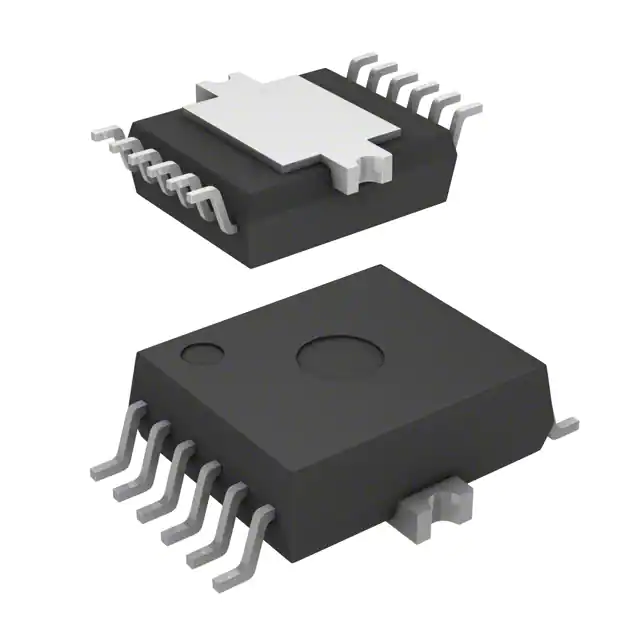
Choice: Option 1: IFX9201SGAUMA1
Rationale: SPI is only provided in the above motor driver. Also includes a flyback diode.